Serengeti and Ngorongoro are often compared as if travellers must choose one. In reality, they offer very different safari experiences and work exceptionally well together. The Serengeti is about scale, movement and time in open ecosystems; Ngorongoro is about dramatic geography and concentrated wildlife within a volcanic caldera.
Serengeti is about scale
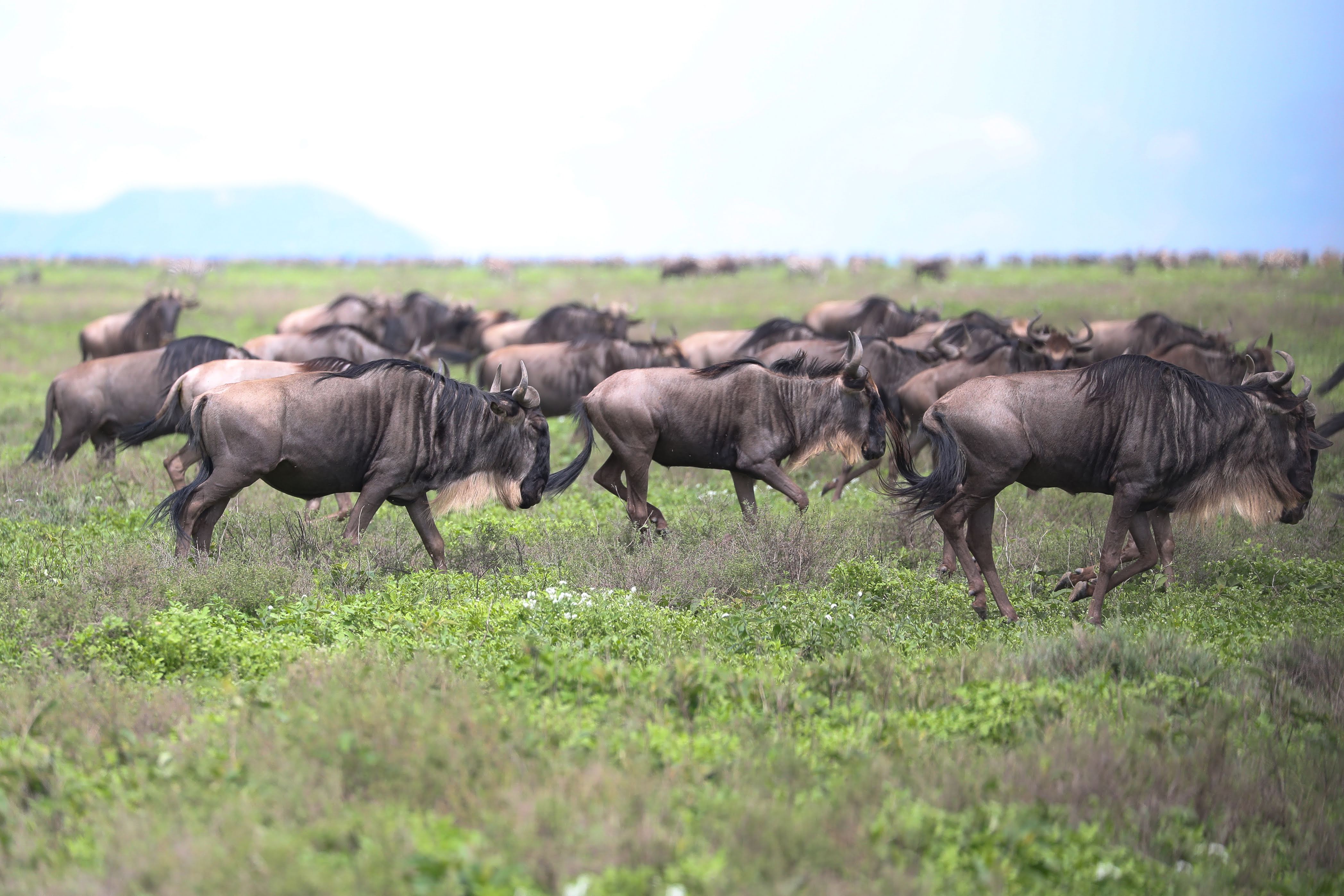
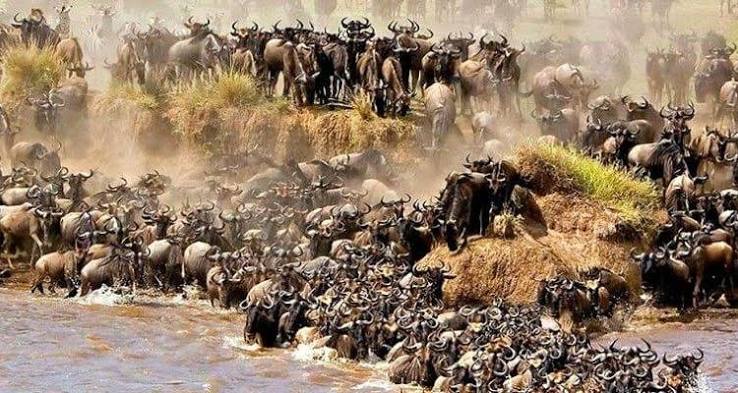
The Serengeti rewards time. Wildlife is spread across an enormous ecosystem, so the experience involves tracking, searching and waiting. Two or three nights usually make much more sense than one.
From a planning perspective, this point should influence the route before accommodation is chosen. Good safari design starts with geography and wildlife priorities, then matches the right lodge to that plan.
Ngorongoro is about concentration
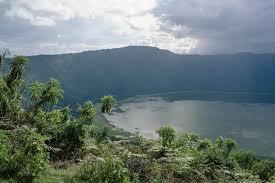
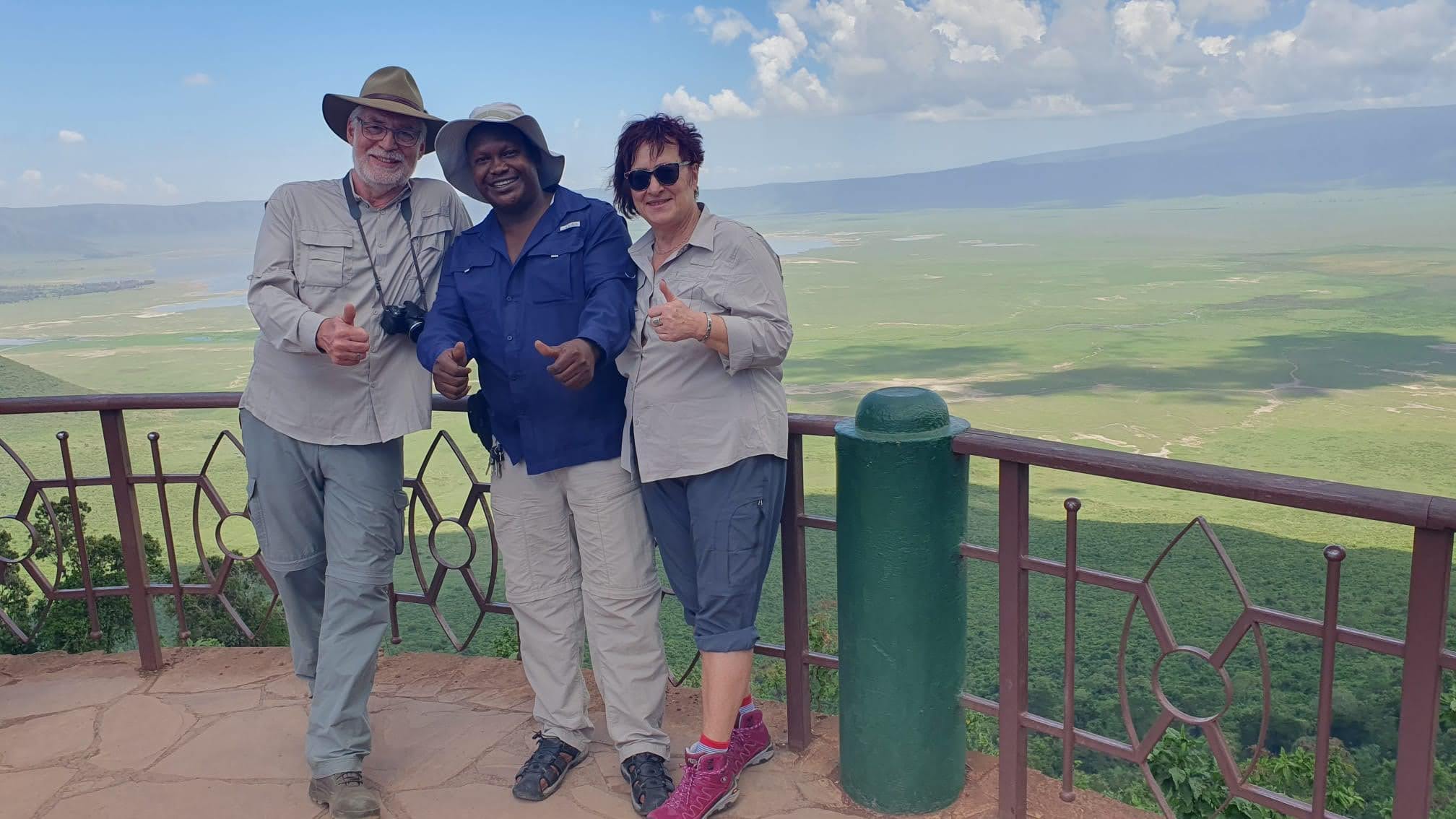
The crater floor is comparatively compact and often delivers a high density of sightings within a single day. The visual experience of descending from the rim is also unique.
This is also where a private itinerary adds value: the schedule can be adjusted around the traveller rather than forcing every guest into the same pace or stopping pattern.
Different photography Serengeti offers open horizons, kopjes and varied light; Ngorongoro offers crater walls, grassland and close wildlife concentrations. Neither replaces the other.
For the website, explain this trade-off clearly. Travellers are more likely to trust a company that explains why a route works than one that simply lists destinations and promises everything.
How to combine them
Use Serengeti for multiple nights, then overnight near the crater and descend early the next morning. This route is geographically logical and is why many strong northern itineraries pair them.
Accommodation should support this part of the journey by reducing unnecessary driving and giving guests enough time to enjoy both the destination and the property they have paid for.
When to choose only one
If time is extremely short, a fly-in Serengeti safari or a crater-focused road safari may be necessary. But with five or more days, most first-time travellers benefit from both.
The final decision should always be checked against the guest’s dates, budget and priorities. A strong itinerary is specific to the traveller, not simply copied from a standard template.
Final Planning Advice For Pori & Beyond Safaris, the objective is not to rank for the keyword 'Serengeti vs Ngorongoro' by repeating it unnaturally. The page should answer the traveller’s real planning questions, link to relevant safari packages and end with a clear invitation to request a tailor-made itinerary. Useful content builds trust first and converts second.
CTA: Plan Your Tanzania Safari with Pori & Beyond Safaris - poriandbeyond.com